Showing posts with label merlot. Show all posts

Thursday, February 23, 2023

Merlot: The Forgotten Grape, LET"S GIVE IT SOME LOVE


Have you heard about Merlot lately? I look for it on winelists and don’t see it. It’s not prominent in wine stores…So I ask, “what has happened to Merlot?

Merlot has been around for centuries. I think it’s not as popular for one due to the success of Sideways and the focus on Pinot Noir and dissing Merlot. But also the rise of the popularity of bold tannic reds like Cabernet Sauvingon. People might perceive Merlot as soft or mellow, which I don’t agree with after seeking out and tasting a bunch of Merlot. Merlot can be smooth and approachable but also complex and full-bodied, definitely not light on the palate.

Used as a blending grape, it is the key component in Bordeaux blends. Known for its juicy fruit flavors of black cherry, plum, blackberry and a hint of blue fruit. It can have soft tannins and velvety mouth feel. When used as a blending grape with Cabernet Sauvignon, Merlot can round out the tannic structure of the wine.

A relatively adaptable grape variety that can grow in a variety of climates and soil types. However, the best quality Merlot is grown in regions with moderate to warm temperatures, such as Bordeaux in France, Napa Valley in California, and the Columbia Valley in Washington. It is also grown in New York, Italy, and other places throughout the world.

Let’s get geeky about the grape. Merlot thrives in well-drained soils with good water retention, as it is susceptible to both drought stress and waterlogging. Merlot is a mid-season ripener and prefers a long growing season to fully mature and develop its characteristic fruit flavors. The best quality Merlot is grown in regions with moderate to warm temperatures, well-drained soils, and a long growing season. Growers must also take care to manage the grape’s vigor, as excessive leafy growth can negatively impact the quality of the fruit.

My personal feeling is that Merlot is that middle child and suffers from middle child syndrome. Older brother Cabernet Sauvignon is bold and bossy, while little sister Pinot Noir can be an overachiever (have to keep up with your older siblings) and sassy. With the middle child, Merlot feels excluded, ignored and neglected because of the birth order. Even though Merlot is great, it feels overshadowed by its older and younger sibling and needs to compete for everyones love.

Give Merlot some LOVE. Seek out wine made with a single varietal and says Merlot on the label. Let me know what Merlot wines you are drinking!

I recently tasted three lovely Merlot wines all from California. All will be great with food or on its own.
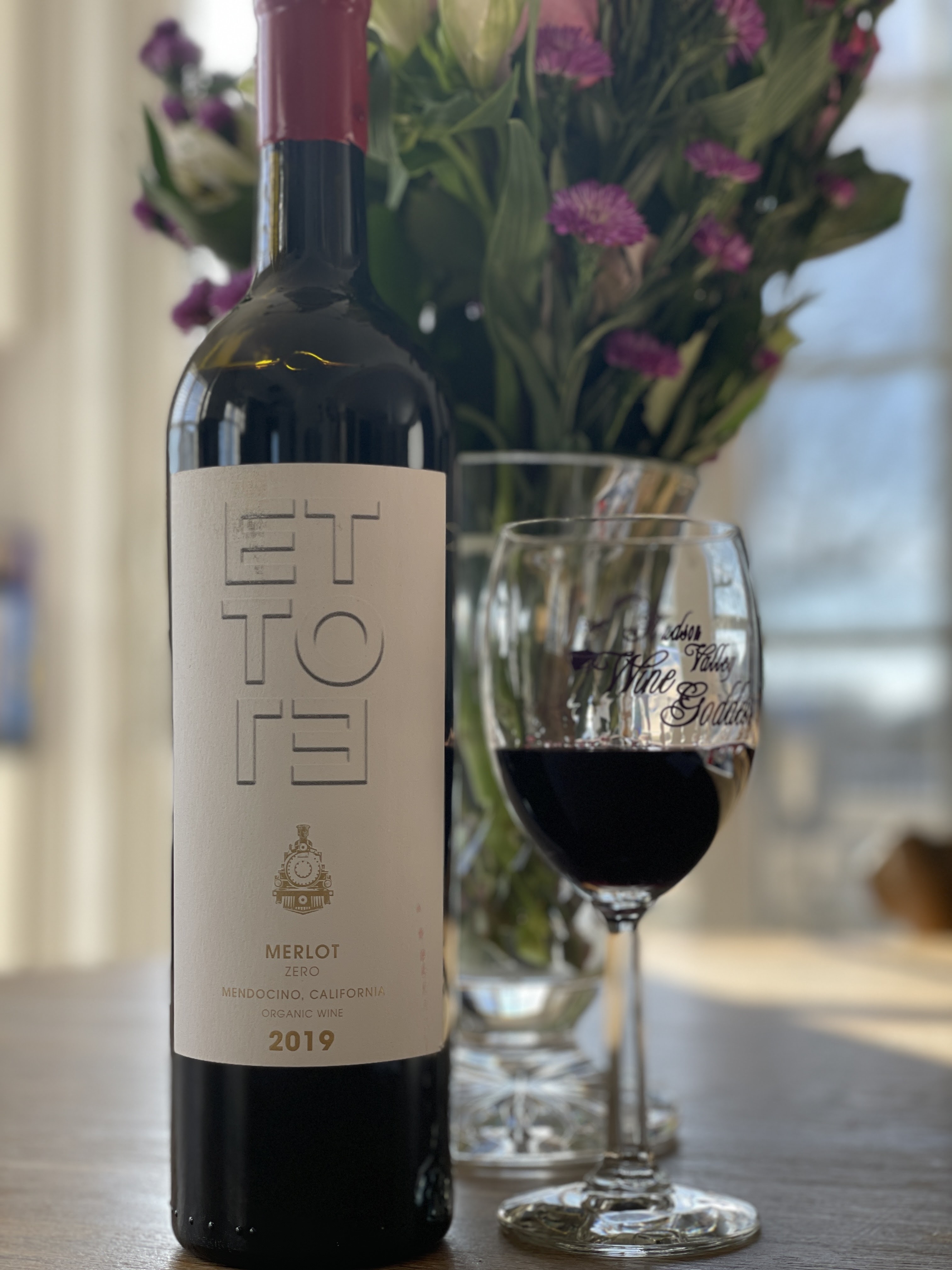


Ettore Merlot Zero 2019 SRP $35 - Before you begin to speculate what Zero stands for, I will tell you. Zero stands for zero sulfites added to the wine. Ettore is dedicated to maintaining pure and organic production methods. Estate grown in the southernmost town in Mendocino County, 500-600 feet above sea level, 25-27-year-old vines. This Merlot is fermented in stainless steel.

The wine…aromas of intense dark juicy berry fruit, violets and vanilla. The palate has soft and silky tannins laced with dark berry fruit, cassis, plum, a hint of chocolate and a touch of blueberry.


St Francis 2018 Sonoma County Merlot SRP $20.99- This Merlot is aged for 16 months is French oak barrels, with 25% of the barrels new oak. An excellent full-bodied wine with intense aromas of blackberry, plum and vanilla with a touch of spice. The palate is rich and silky with gritty tannins, and flavors of black cherry and dark fruit. Nicely structured and easy to drink.


Josh Cellars 2019 Merlot SRP $16.99 - Beautiful aromas of blueberry, violets, vanilla and a touch of black fruit. The palate is soft and clean with blackberries and plum. Very easy drinking.

Tuesday, March 3, 2020

Merlot Under the Tuscan Sun


Sangiovese isn't the only grape growing under the Tuscan sun. There are many others like Cabernet Sauvignon and Merlot. In fact Merlot is the 5th most planted grape in Italy and is doing exceptionally well at Ricasoli..
Francesco Ricasoli planted Merlot on a plot of land 400 metres in elevation that faces south, southeast. The Gaiole in Chianti is the home to The Casalferro Vineyard and the land is part of the geological formation "Monte Morello which is the highest mountain in the Florence area. The soil brown in color, has a fine clay structure, chalky with a sub alkaline pH and little organic content. It’s very well-drained and stony.

⁠The vineyard wasn’t always Merlot. It was originally all Sangiovese. In the 1990’s when Francesco Ricasoli took over the operations, he began to research into other modern methods. From 1993 to 2006 the Casalferro vineyard was a blend of Sangiovese and Merlot and in 2007 it became a single vineyard growing only Merlot. The grape has taken on new properties from the soil and climate that can’t be replicated. As the vines matured they really took on the terroir and you can taste the power in the wine. The aging potential of wine coming from this vineyard can be up to 20 years.

Ricasoli Casalferro Merlot 2008 - The first words out of our mouth after our first sip was “ Holy S$#! This wine is really good!" After a few more sips we realized that this wine is at its peak. Although some people say with the acidity it will still age a few more years. I feel it should be consumed now. The 2008 Casalferro Merlot is aged in oak barrels for 18 months. Notes of mocha, blueberry, Good N Plenty (licorice) red fruit and finishes with baking spices. It’s smooth and elegant and the pairs very well with steak. It is definitely a food-friendly wine. (SRP $70)

Ricasoli Casalferro Merlot 2011 - This vintage was a little different than the 2008 as it experienced a hot growing season. As a result, the wine is not as acidic as the 2008. Aged in oak for 18 to 21 months notes of fresh forest come through on the nose. The wine features lots of blue and red fruit, cinnamon, tart blueberry with a nice mocha finish. This wine should age for another 10 years or so. (SRP $70)

Friday, April 7, 2017

In Search of New York Merlot


All the Merlot’s I tasted happen to be from wineries in Long Island. Long Island is a prime growing area for Merlot and they have an organization Long Island Merlot Alliance to educate and promote the grape. Today there are approximately 700 acres on Long Island planted of Merlot and that accounts for 30% of the total grapes grown in the region.

Lenz, 2013 Estate Selection Merlot is a blend of 85% Merlot with 5% Petit Verdot, 5% Malbec and 5% Cabernet Franc. The wine had a beautiful nose with aromas of dark fruit and baking spices. Flavors of black cherry, blackberry and plum fill my palate with nice integrated tannins. A great everyday dinner wine. SRP $30
Winemaker Miguel Martin

Palmer Vineyards produces Merlot form 35 year old vines. Not only do they produce a Merlot, but a Merlot Rose too. When producing the Rose Merlot, Miguel use specific plot of Merlot grapes, especially grown for the Rose. Miguel pick these grapes earlier than the Merlot used for red wine because he is looking for lower alcohol, more acid and more fruit driven wines. All the vines are 35 years and older. The Merlot is harvested and whole cluster to the press and they spend 3 hours on the skins so it gets a light rose petal color and he ferments it like a white wine with a cold fermentation. 

 The Palmer 2016 Rose Merlot had beautiful expression of red fruit, very well balanced and delightful. The 2013 Old Roots Merlot come from the oldest vines in the vineyard over 35 years old. Very low yield as they go in and drop the fruit so the remaining grapes have a more concentrate flavor. Yield per acre of the Merlot is .8 tons which is low. The grapes spend three weeks on the skins to extract the flavor and color and 18 months in mix of French, American and Hungarian oak barrels with medium toast. Miguel is looking to get more of the hazelnut, vanilla and chocolate flavors that comes from the wood integrated into the wine. The hazelnut and vanilla are apparent in the aromas in the glass along with cherry and plum. The wine has elegant soft tannins and the blueberry sneaks up on the finish. A very nice Merlot and I really enjoy talking with Miguel. SRP $35

Raphael Vineyard and Winery 2012 First Label Merlot is the first label they released when they opened 25 years ago. This Merlot comes from their older vines that are about 25 year old vines. They consider this their reserve wine. Aged in new French oak barrels for 18 months, the wine is unfiltered and unfined. The wine had a little stink on the nose but a little swirling and it was gone. The wine, a full bodied Merlot with flavors of plum, black cherry and blueberry. 550 cases were made - SRP $44


Paumanok 2013 Merlot is 100% Merlot is aged in neutral French oak for one year. The wine had beautiful aromas of blue and black fruit with a touch of violets. Light on the palate with boysenberry, black cherry hints of red fruit. the tannins were weathered and I felt the structure wasn’t to strong. I would drink this wine now. SRP $28

Tuesday, February 21, 2017

Bringing Back Merlot


I can’t remember the last time I drank a Merlot can you? Maybe you have, but it’s been a while since I drank one and I don’t know why. Its been so long that forgot how good it tastes. They say distance makes the heart grow fonder, perhaps for me it makes the palate grow fonder.

Cannonball 2014 Sonoma County Merlot is sourced from owner Dennis Hill’s vineyard Adam & Eve in the Northern Russuan River Valley. At Cannonball they want to represent the inner child in all of us and want us to have fun. This is definitely is a fun wine.The Merlot is a blend of 91% Merlot with the remaining 9% a mix of Petite Sirah and Syrah. Fresh blueberry pie aromas escape from the glass along with plum, vanilla and blackberries. The palate is complex yet inviting. A medium bodied mouth feel with flavors of blueberry, plum, juicy black cherries rounding out with some clove and sweet tannins. This is an affordable and fun Merlot. SRP $15.99


The Merlot does have a big brother the Cannonball 2013 California Cabernet Sauvignon. This wine was aged in oak for 15 months. This wine has nice tannin structure and is well balanced with aromas of cassis, mulberry and tea leaves. The palate is full of dark fruit and hints of toasted oak. Very affordable at SRP $15.99

Friday, January 27, 2017

The Other Side of Bordeaux


Bordeaux wine, you think of the Bordeaux 5, a blend consisting of Cabernet Sauvignon, Merlot, Cabernet Franc, Malbec and Petit Verdot with the Cabernet Sauvignon as the base.  You also might think $$$. Let’s take a look at Bordeaux and the other side of it, the Bordeaux blends that are Merlot based and affordable.


There are two rivers that flow into one that divide Bordeaux into left and right. The Garonne and Dordogne meet and form the Gironde and this flows into the Atlantic. To the west of the Garonne and Girdone is the Left Bank. The Right Bank is east and north of the Dordogne and Gironde and the Entre-Deux-Mers are between the two rivers.

Myth, Bordeaux grows more Cabernet Sauvignon than any other grape?  No, actually there is more Merlot planted in Bordeaux than Cabernet Sauvignon. However Merlot plantings dominate the vineyards in the Right Bank and Entre-Deux-Mers and Cabernet Sauvignon is dominated on the Left Bank.

Wines produced in Right Bank and are Merlot based are just very good quality but don’t age as long as the wines Cabernet Sauvignon based on the Left Bank. The Right Bank don’t seem to be as tannic as they can be on the Left Bank.

The most noted chateaux that you hear about and that are really expensive are located on the Left Bank and Cabernet Sauvignon based. Names like Chateaux Haut-Brion, Chateaux Margaux or Chateaux Mouton-Rothschild. But lets explore the other side of Bordeaux on the Right Bank, the underdogs who are in the shadow of their cousin in Cotes de Bordeaux where you will find small family owned wineries producing wine that is more fruit forward with little or no oak.


There are four appellations that comprise Cotes de Bordeaux. They are Blaye, Castillon, Cadillac and Francs. The vineyards here are rich in clay-limestone soil and face the southern/southeaster exposure.  Wines from this region range in price from $15 to $25. While these wines are capable of aging, they are meant to be consumed young, so drink them now.


2014 Chateau Lamothe de Haux is from the AOC Cadillac appellation of Bordeaux. Run by the Chombart family they have 190 acres of vines planted in soil of clay and limestone on the slopes of the Right Bank. Their Chateau pictured on the label was restored and the 17th century limestone quarries were renovated to under-ground cellars for ageing. This wine is fermented in stainless steel tanks and is a blend of 60% Merlot, 30% Cabernet Sauvignon and 10% Cabernet Franc. The minerality of the limestone shows on the nose with flavors of boysenberry, blueberry pie, cherry and a hint of black pepper. SRP $16


2014 Chateau Bellerives-Dubois is from the appellation of Blaye in Cotes de Bordeaux. This is a blend of 70% Merlot and 30% Cabernet Sauvignon grown in gravely soil with clay-gravel subsoil aged in stainless steel tanks. This wine was fruity with red an black fruit.  SRP $12


2012 Roc du Manoir is from the appellation of Castillon in Cotes de Bordeaux. This property sits on a plateau at a fairly high elevation. The wine is a blend of 80% Merlot and 20 Cabernet Sauvignon and aged in 30% new oak for 14 months. Very nice aromas escape from the glass of dark cherry, vanilla, dark fruit and a hint of oak. Soft tannins on the mouth allow for a very elegant mouth feel rounded out with red raspberry, black cherry and red fruit flavors.  SRP $15


2012 Chateau Puy-Galland hails from the Francs appellation of cotes de Bordeaux.  A small family owned estate dedicated to quality and an organic approach to vine growing. It shows in the quality of the wine. This wine is 90% Merlot and 10% Cabernet Sauvignon grown in clay-loam soil. Very complex nose of black currant, cove, anise leading to a beautiful mouth full of black cherry, hints of voilets, and dark berry fruit with a nice long finish.


We paired all 4 of these wines with some Filet Mignon that we grilled on a rainy Saturday evening. The Filet was accompanied by a red wine reduction of caramelized onions and mushrooms. How did these four wines stand up?
Chateau Lamothe de Haux - the beef overpowered the meat.
Chateau Bellerives-Debois - did not go .
Roc du Manor - excellent pairing with the grilled meat.
Chateau Puy-Galland - not bad with the meat.

This was just our palates pairing, yours might be different.  Drink, eat and enjoy!


Wednesday, March 27, 2013

2010 Bonterra Merlot

I received this wine from the PR firm to take part in a twitter tasting.  Unfortunately the wine arrived a few days after the event.  No wine goes to waste in this house.

Bonterra is certified Organic. What does that mean....they don't use synthetic pesticides or fertilizers and they have to go through significant auditing every year to make sure all their practices meets the USDA regulations.

Located in Mendocino County, they have been growing organically since 1987 and farm 915 acres all within 30 miles of their home McNab Ranch.  They have 8 wines in their portfolio and for this post I am going to talk about the 2010 Merlot.

The final blend of this Merlot had a touch of Petite Sirah, Syrah and Carignane, which most likely enhanced the color and give it the hint of distant spice I found on the finish.

Aromas of plum, cherries a bit of oak and chocolate filled the glass.  The palate expressed cherry and toasted oak that made it a little more on the woody side.  A thin body and texture lead to a quick finish with hints of vanilla and spice in the distance.

The wine retails around $13.99

Friday, July 29, 2011

The Other Wines in the House - Introducing Sarah and Jess

Sarah and Jess are my neighbors, 21 & 23 respectively and it's no wonder they like wine living next door to the Hudson Valley Wine Goddess.  While their parents were sweating it on the golf course in 100 degrees, these two were over my house eating lamb burgers and drinking some wine. (It was a much better alternative to the text message they sent my daughter telling her to come over after cheer practice at 7p and bring a pizza)

Sarah is a senior at SUNY Fredonia majoring in Art History and worked last summer at Clinton Vineyards.

Jess just graduated this past May from Penn State with a degree in Architecture.  She is currently seeking employment and has previously worked for Brotherhood Winery during her summers.

The girls saw my tasting notebook on the table and a conversation about guest blogging took place.  At the time we were drinking a Sebastiani 2007 Sonoma County Merlot. I told them to jot down some tasting notes on the Merlot.

Here is what two sisters, two palates thought of the wine.

The Aromas:
Jess - Vanilla nose with oak finish
Sarah - Acidic, blackberry nose

On the Palate:
Jess - Earthy flavor and sour cherry.
Sarah - Tart cherry and sour taste with oaky finish.

Look for some more posts from the girls as the venture into the world of wine.

Monday, March 7, 2011

Blending Experiment


Michael Migliore invited me and  Paul over to do some wine blending. The wine on the blending table was Cabernet Franc, Merlot, Petit Verdot and Malbec.  We later added Gamay Noir and Pinot Noir to the table. The mission for the day was to see if the varietal stood up on it's own or was better blended with another varietal. 

First we began with a taste of the Riesling that was blended a day or two ago.  It was unfined and unfiltered, so looks were a little cloudy.  The taste was pear with an orange peel finish.  Looking forward to that release.

For each of these wines, we tasted the wine on it's own and then with some blending to determine which blend if needed was what would be bottled.

Merlot Experiment:

  • On it's own it had a very berry nose with new oak.  Berry
  • Blended with 2% Petit Verdot - not to much difference.  You got a little bitterness on the finish.  The berry was toned down.  
  • Blended with 9% Cab Franc, 2% Petit Verdot - Nose of Cab Franc. The Cab Franc overpowered the wine.
  • The winner - 98% Merlot 2% Petit Verdot
Cabernet Franc Experiment:
  • On it's own - WOW!  This is a wonderful wine.  Fresh berry spice, smooth,  wonderful black pepper finish.  
  • Blended with 3% Petit Verdot - Brightened the color on the purple hue.  Softened the Cab Franc and the flavors associated with it
  • Blended with 12% Merlot, 3% Petit Verdot - no notes on this because I really liked it on it's own
  • The winner - Cabernet Franc on it's own.  It is going to be a wonderful wine.
Malbec Experiment:
  • On it's own - Houston we have a problem - Sauerkraut.  I taste sauerkraut, not good, this means bacteria attacked some of the chemical compounds in the barrel, lactic acid in this case causing the sauerkraut smell.  Off to the barrel room to take a sample from another barrel and to mark the barrel this sample came from.
  • New sample - 100% Malbec had a bland nose.  
  • Blended with 4% Petit Verdot - great nose, nice finish
  • Blended with 7.5% Petit Verdot - to much Petit Verdot, lost the Malbec
  • Blended with 4% Merlot, 4% Petit Verdot - Merlot nose and a fruity finish
  • The winner - 96% Malbec 4% Petit Verdot
The Pinot Noir and Gamay Noir were blended with 4% and  3% Merlot respectively and it was determined that they both held their own without any blending.

It was a great harvest last year.  The fruit really holds its own.